Choose a Driving School for Defensive Driving
Progressive Driving Lessons: copyright for Our Professional Driving Course Now!
Structured driving lessons present a comprehensive approach to learning how to operate a vehicle. Joining an instructor-led program can significantly develop a learner's skills and confidence. The program is meticulously planned to address fundamental and complex driving methods, accommodating different skill levels. Being aware of what these lessons entail can be incredibly valuable. There are multiple essential factors that support successful skill development and test readiness.
What Happens During Your First Driving Class
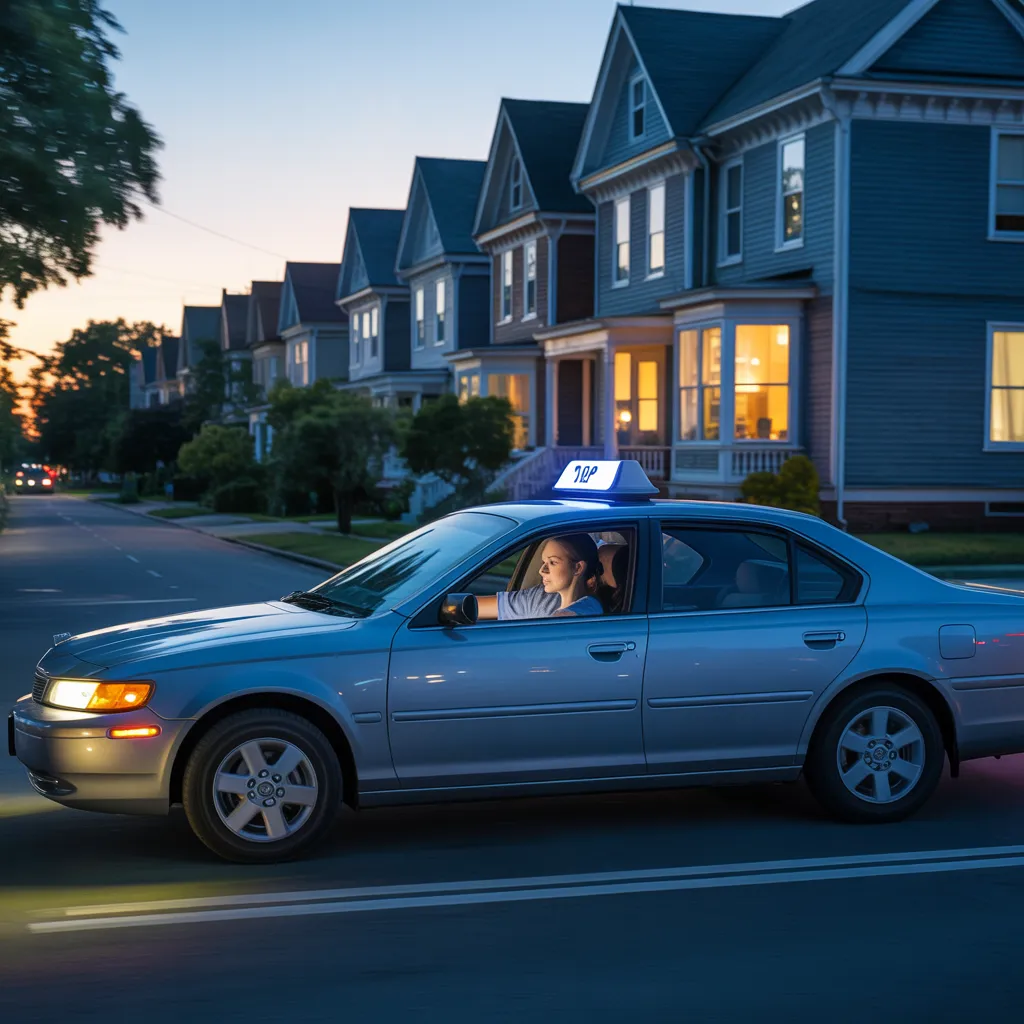
Once a student starts their initial driving class, they may notice a mix of excitement and anxiety. The instructional space, usually shared with fellow learners, creates the foundation for a significant experience. Driving educators typically start with introductions, outlining the course structure and safety procedures. Students can look forward to receiving learning resources, including manuals and handouts, which will act as valuable references throughout their training.
The primary emphasis is mainly on learning about car controls, fundamental road signs, and essential traffic rules. Teachers often highlight the significance of maintaining a calm demeanor while driving. Pupils are prompted to ask queries, building an encouraging educational setting. After the theoretical portion, most sessions incorporate real-world practice, where learners get acquainted with the car in a safe environment. This combination of theory and practice equips students for their driving journey, building self-assurance as they begin their journey toward becoming responsible and capable drivers.
Driving Curriculum: Basics to Advanced
An extensive driving course includes a transition from fundamental competencies to advanced techniques, making sure that drivers acquire a robust foundation before tackling more advanced road situations. Initially, students practice essential vehicle operation, including wheel control, deceleration, and throttle control. They are introduced to critical driving laws, road signs, and safe driving practices, giving a comprehensive knowledge of the rules of the road.
Once students show competence in these fundamental skills, the curriculum advances to greater levels of skill. This covers traversing various terrains, dealing with difficult weather circumstances, and developing strong defensive driving skills. Furthermore, participants are exposed to highway driving and complex intersections, developing their skill to make quick decisions under pressure.
Across the curriculum, instructors highlight the value of environmental awareness and accountable driving conduct. This structured approach prepares students not only to succeed in their driving examinations but also to become confident and competent drivers in diverse environments.
Building Confidence as a New Driver
Novice drivers commonly struggle with developing their self-assurance while driving. The early stages of driving can feel daunting, as there are many responsibilities to handle and an ongoing demand for concentration. In order to ease nervousness, novice drivers may find value in a measured, step-by-step introduction to a range of driving conditions. Beginning in quieter, less congested areas enables them to build fundamental abilities without the demands of more challenging settings.
Consistent practice is crucial; spending more time behind the wheel helps new drivers grow more at ease with their car and environment. Additionally, enrolling in expert-led driving classes offers structured learning and professional guidance, fostering a sense of security. Positive reinforcement from instructors and supportive peers can also enhance a new driver's self-esteem. As abilities develop with time, novice drivers will discover that their assurance increases, turning driving from a demanding activity into a more rewarding and freeing endeavor.
Preparing for Your Driving Test
What is the best way for a new driver to prepare for their driving test? Proper preparation plays a vital role in achieving success. First, familiarizing oneself with the vehicle is important. New drivers must ensure they are comfortable operating all vehicle controls, such as lights, wipers, and signals. Additionally, rehearsing techniques like parallel parking, three-point turns, and lane changes will improve their abilities.
Additionally, reviewing the regional driving laws and guidelines can give important guidance into what examiners typically look for. Scheduling a mock test with a skilled instructor can replicate the real test conditions, assisting in calming pre-test nerves.
Lastly, verifying all essential documents are in order, such as the provisional permit and proof of identity, is vital. By implementing these measures, new drivers can approach their driving test with confidence, increasing their likelihood of clearing the test on their first go.
Common Questions About Driving Lessons
What should prospective drivers know before starting lessons? Many individuals have common questions regarding the driving lesson process. To begin with, many students inquire about the age requirements; most areas stipulate that students must be at least 16 years of age to receive a learner's permit. Another frequent inquiry concerns the duration of lessons; generally, each lesson runs approximately one to two hours, based on the student's abilities and requirements.
Future drivers commonly inquire about the expenses related to driving lessons. Fees can range broadly based on location and instructor experience. In addition, many inquire about whether they are required to bring their own vehicle; most driving schools provide cars equipped with dual controls for added safety.
Lastly, pupils often inquire about the training program. Thorough classes usually cover core driving abilities, traffic regulations, and safety practices, ensuring that learners are well-prepared for both their driving test and real-world driving situations.
Why Choosing Expert-Led Driving Lessons Is a Smart Decision?
Why choose expert-led driving lessons over casual instruction? This comes down to the quality and overall effectiveness of the training offered. Professional instructors have in-depth knowledge of driving methods, traffic regulations, and safety procedures, guaranteeing that students receive a complete and well-rounded education. They follow a structured program that enhances skills in a gradual manner, making it easier for students to grasp complex concepts.
Additionally, professionally taught classes often incorporate actual driving conditions, empowering drivers to navigate diverse road situations with competence. Instructors can offer tailored guidance and adjustments, which are essential for cultivating proper driving behaviors. Moreover, their expertise empowers them to tailor lessons to individual learning styles, maximizing retention and skill acquisition.
Furthermore, skilled instructors consistently keep abreast of the latest regulations and advancements in driving education, guaranteeing that their instruction aligns with contemporary standards. This professionalism makes expert-led driving lessons a superior choice for anyone looking to become a competent driver.

Questions Our Customers Often Ask
What Age Am I Able to Start Taking Driving Lessons?
In most cases, aspiring drivers can begin taking driving lessons at the age of 16, Driving School while some locations allow learners to begin as early as 15. It's essential to check local requirements regarding minimum age requirements for driving tuition.
Is It Possible to Book Driving Lessons on Weekends?
Driving lessons are often available on weekends, suiting a variety of scheduling needs. Many driving schools recognize the demand for weekend sessions, allowing students the flexibility to learn without conflicting with weekday commitments or responsibilities.
Am I Able to Use My Personal Car for Lessons?
Pupils can generally use their own cars for driving lessons, as long as the car satisfies safety standards and is functioning properly. Teachers often encourage this to provide a sense of comfort and familiarity while learning to drive.
What Occurs if I Skip a Class?
If a student misses a class, they could be required to make up the lesson or set a new time. Attendance requirements differ, so students are encouraged to consult with their instructor concerning any applicable penalties or alternatives.
Can I Book Lessons for Automatic and Manual Cars?
Indeed, the program offers instruction for both automatic and manual cars. Students can opt for their desired transmission type, ensuring they are provided with personalized instruction that meets their individual driving needs and preferences for learning.